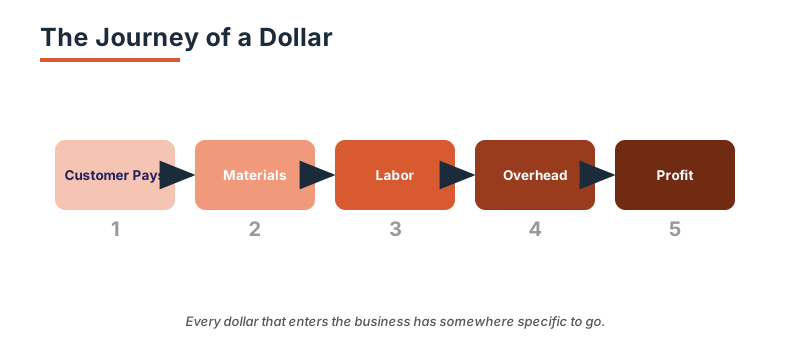
Revenue is simply everything customers paid you, before anything gets subtracted. It's the biggest number in the business and the least useful one on its own.
Gross profit is revenue minus the direct cost of doing the job — materials and labor. This tells you whether a specific job was worth doing at all, separate from how the rest of the business is running.
Operating expenses are the costs of keeping the business open regardless of any single job — overhead, insurance, the truck payment. These get paid whether you had a great week or a slow one.
Net profit is what's left after gross profit absorbs operating expenses, taxes, and debt payments. This is the real reward for owning the business, and it's almost always smaller than a contractor expects the first time they calculate it honestly.
Cash flow is the actual movement of money in and out of your account over time — not a snapshot, but the whole current, including money you're waiting on and money you owe.
Working capital is the cushion you have to cover expenses while waiting on customers to pay. Thin working capital is exactly what turned Mike's great month into an empty account — the money was coming, eventually, but "eventually" doesn't cover Thursday's payroll.
Accounts receivable is money customers owe you that hasn't arrived yet. It looks like an asset. It spends like nothing at all until it's collected.
Accounts payable is money you owe someone else that hasn't left your account yet. It looks like cash you still have. It isn't really yours.
That's the whole list. You don't need a degree to use any of it — you just need to know which stage of the journey each term is describing.